

Renovating your home? Your coverage might need an update too.

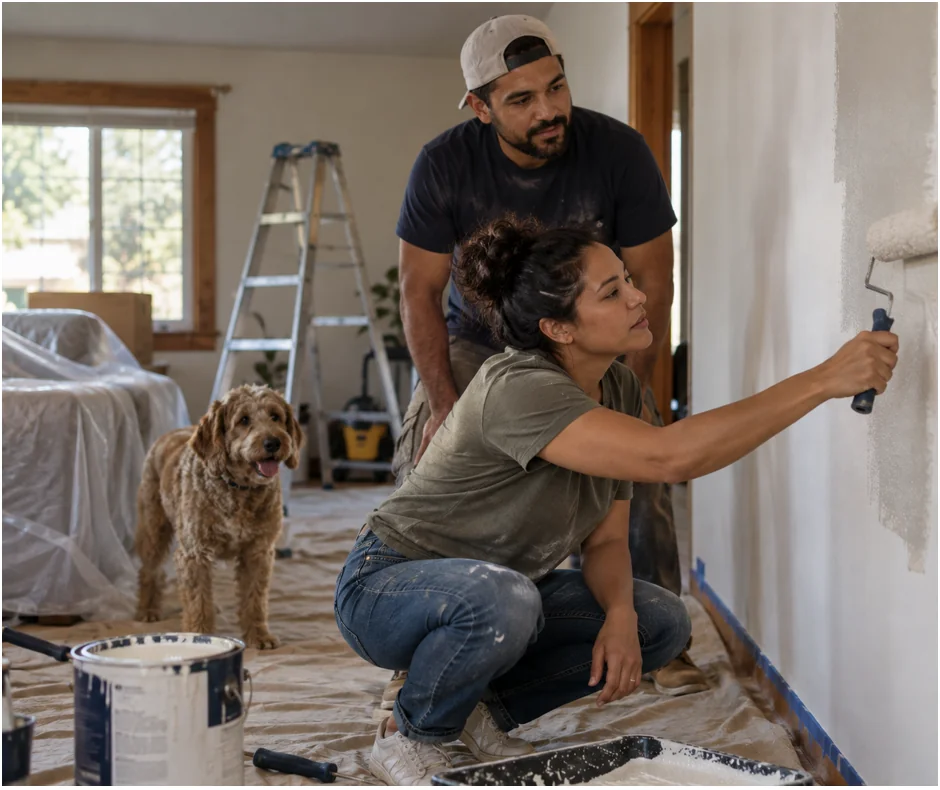
Adding a bedroom, finishing the basement, redoing the kitchen — a renovation makes your home more you. But here's something people often miss: it can also make your home worth more to rebuild, and your insurance may not automatically keep up.
If your policy is still based on what your home was worth before the upgrades, you could be underinsured — meaning if something happened, the payout might not cover the home you have now. The good news? It's an easy fix. A quick call before or after a big project makes sure your coverage grows with your home.
Why Standard Policies Don't Automatically Adjust
Homeowners insurance is built around Dwelling Coverage (Coverage A), which is based on the estimated cost to rebuild your home from scratch using similar materials and labor. When an insurance company issues a policy, that number is calculated based on the specifications of your home at that time: the square footage, standard builders' fixtures, and unfinished spaces.
When you invest $40,000 to remodel your kitchen with custom solid-wood cabinets, commercial-grade appliances, and imported quartz, or $60,000 to add an en-suite bathroom and master bedroom, the actual replacement cost rises significantly. Insurers have no automated way of knowing you completed these improvements until you report them.
Common Renovation Projects That Require Policy Reviews
Not every minor project requires an immediate policy revision, but the following major categories almost always change your home's valuation:
- Finished Basements & Attics: Adding livable square footage, additional drywall, sub-flooring, insulation, and electrical systems raises rebuild expenses and introduces water backup exposure.
- Kitchen & Bathroom Upgrades: Upgraded plumbing lines, luxury tiles, high-end stone counters, and designer fixtures substantially exceed baseline builder-grade allowances.
- Structural Additions: Adding a second story, bump-out living room, sunroom, or attached two-car garage changes the exterior footprint and roofline.
- Outdoor Features & Pools: Adding an in-ground swimming pool, hot tub, or detached pergola introduces both property value and heightened personal liability considerations.
Don't Overlook Liability During Construction
There are two distinct phases to every remodel: the construction phase and the completed phase. While work is actively happening, your risk profile changes:
- Contractor Insurance Verification: Always request an official Certificate of Insurance (COI) directly from your general contractor confirming active General Liability and Workers' Compensation before they start work.
- Materials On-Site: Thousands of dollars worth of lumber, copper piping, and uninstalled appliances stored on your driveway or lawn can be targets for theft or storm damage.
- Worker or Visitor Injury: Power tools, open framing, and heavy foot traffic increase the probability of someone tripping or getting hurt on your property.
3 Simple Steps to Protect Your Renovation
Protecting your hard work doesn't require mounds of paperwork or endless phone calls:
- 1. Keep Receipts and Itemized Contracts: Save digital copies of invoices, building permits, and architectural drawings. Having a paper trail makes future claim settlements straightforward.
- 2. Snap Before & After Photos: Take clear photos of every finished room, inside and out. These serve as indisputable proof of the quality of materials installed.
- 3. Give Your Independent Agent a Quick Call: Contact Herencia Rosario before the project starts or right when it wraps up. We can run a fresh replacement-cost calculation in minutes, ensure you get any eligible protective device discounts (such as smart leak detectors or smoke alarms), and confirm your family is completely shielded.
Planning a renovation or just finished one?
Let's take five minutes to make sure your homeowners policy matches the home you love today. We speak English and Spanish, and our quotes are completely free with zero obligation.